Archives
- 2026-07
- 2026-06
- 2026-05
- 2026-04
- 2026-03
- 2026-02
- 2026-01
- 2025-12
- 2025-11
- 2025-10
- 2025-09
- 2025-03
- 2025-02
- 2025-01
- 2024-12
- 2024-11
- 2024-10
- 2024-09
- 2024-08
- 2024-07
- 2024-06
- 2024-05
- 2024-04
- 2024-03
- 2024-02
- 2024-01
- 2023-12
- 2023-11
- 2023-10
- 2023-09
- 2023-08
- 2023-07
- 2023-06
- 2023-05
- 2023-04
- 2023-03
- 2023-02
- 2023-01
- 2022-12
- 2022-11
- 2022-10
- 2022-09
- 2022-08
- 2022-07
- 2022-06
- 2022-05
- 2022-04
- 2022-03
- 2022-02
- 2022-01
- 2021-12
- 2021-11
- 2021-10
- 2021-09
- 2021-08
- 2021-07
- 2021-06
- 2021-05
- 2021-04
- 2021-03
- 2021-02
- 2021-01
- 2020-12
- 2020-11
- 2020-10
- 2020-09
- 2020-08
- 2020-07
- 2020-06
- 2020-05
- 2020-04
- 2020-03
- 2020-02
- 2020-01
- 2019-12
- 2019-11
- 2019-10
- 2019-09
- 2019-08
- 2019-07
- 2019-06
- 2019-05
- 2019-04
- 2018-11
- 2018-10
- 2018-07
-
Although little is known about
2024-04-03
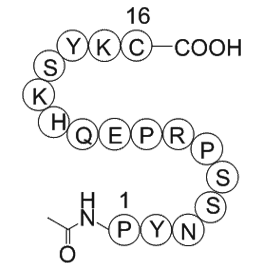
Although little is known about the etiopathogenesis of preeclampsia, this syndrome has a major impact on maternal and fetal health worldwide, since it is responsible for 10–15% of maternal deaths [16], [17], preterm births, intrauterine growth restriction (IUGR), and fetal deaths [2]. In developing
-
br Acknowledgments br Introduction Alzheimer s disease
2024-04-03
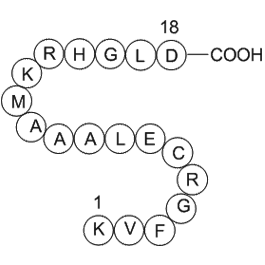
Acknowledgments Introduction Alzheimer's disease (AD) is a severe neurodegenerative disorder primarily affecting the elderly population. Senile plaques in the brain, one of the pathological hallmarks of AD, are formed by the accumulation of aggregated β-amyloid (Aβ) with an extensive β-sheet s
-
AS-1404 mg Structural and functional imaging studies searchi
2024-04-03
Structural and functional imaging studies searching for specific cortical areas related to each cognitive function domain have provided clues to the spreading patterns of cognitive dysfunction (Domoto-Reilly et al., 2012, Firbank et al., 2016, Li et al., 2012, Machulda et al., 2003, Mandal et al., 2
-
br Introduction Metabolic cues are
2024-04-03
Introduction Metabolic cues are crucial inputs in dictating acute responses through governing cellular signaling pathways as well as in shaping up long-term transcriptional and epigenetic profiles to control chronic cellular responses (Lu and Thompson, 2012). It has been well documented that meta
-
To elucidate this relationship we developed a spatial model
2024-04-03
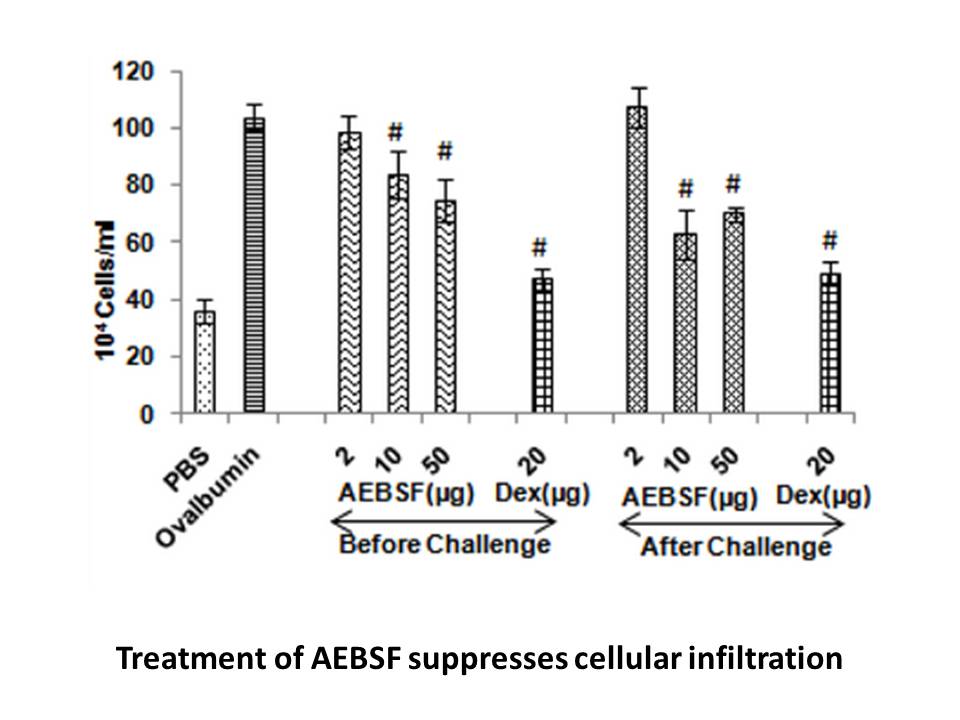
To elucidate this relationship, we developed a spatial model of Ca-influx through N-methyl-D-aspartate receptor (NMDAR), CaMKII/PP1 activation, and AMPAR insertion in a realistic spine geometry. Using this model, we show that i) variables in membrane voltage mediated Ca-influx, particularly the numb
-
Growing evidence indicates that GRKs can exert different eff
2024-04-02
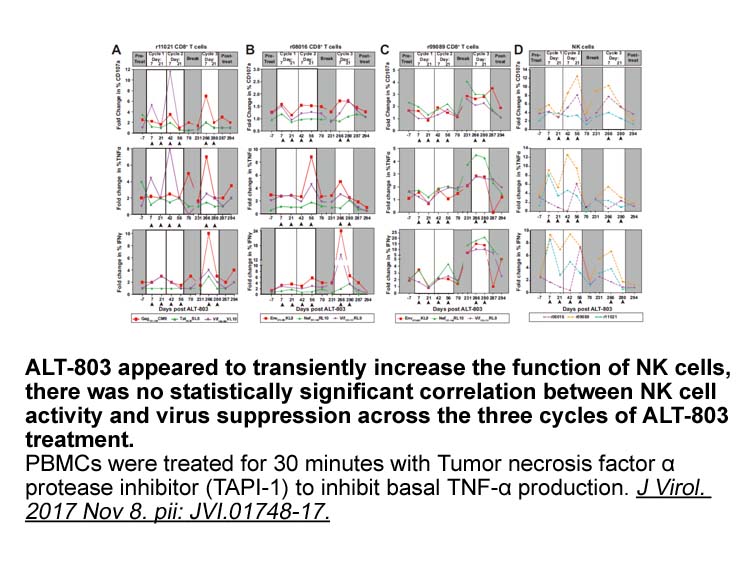
Growing evidence indicates that GRKs can exert different effects within the cell depending on the stimulus, cell type, and localization [97], [121]. In this sense, we were the first to demonstrate a mitochondrial localization for GRK2 [122], later confirmed by other investigators [123], establishing
-
In addition we aimed to examine the
2024-04-02
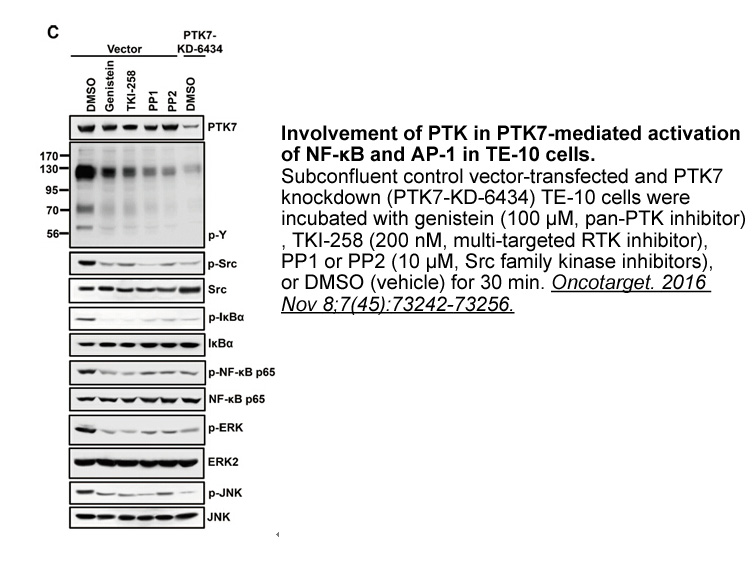
In addition, we aimed to examine the possible role of adiponectin in modulating changes in IR. It was observed that there was a simultaneous decline in expression of IR and AdipoR1 proteins in the ovary of PCOS-mice as compared to the control ovary. Further, a strong correlation was found between ch
-
br Detection and possible treatments for prostate cancer PC
2024-04-02
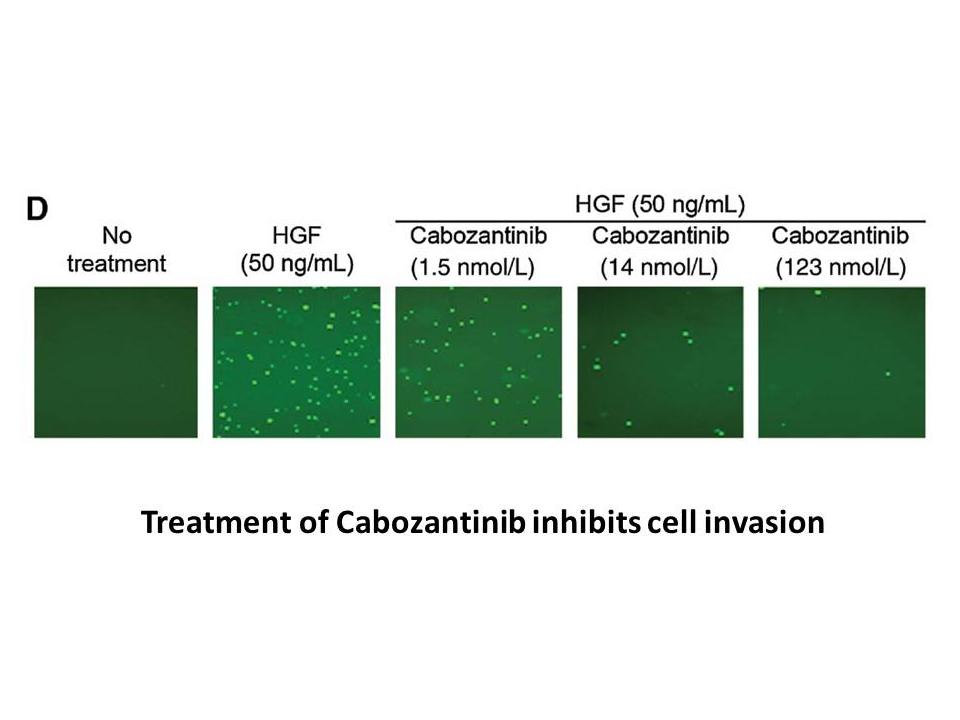
Detection and possible treatments for prostate cancer PC can be diagnosed, by screening for prostate-specific antigen (PSA) and after diagnosis, treatments may include intense observation, radical prostatectomy, radiation, chemotherapy, hormone therapy or vaccination depending on the type and sta
-
A decrease in lactate concentration
2024-04-02
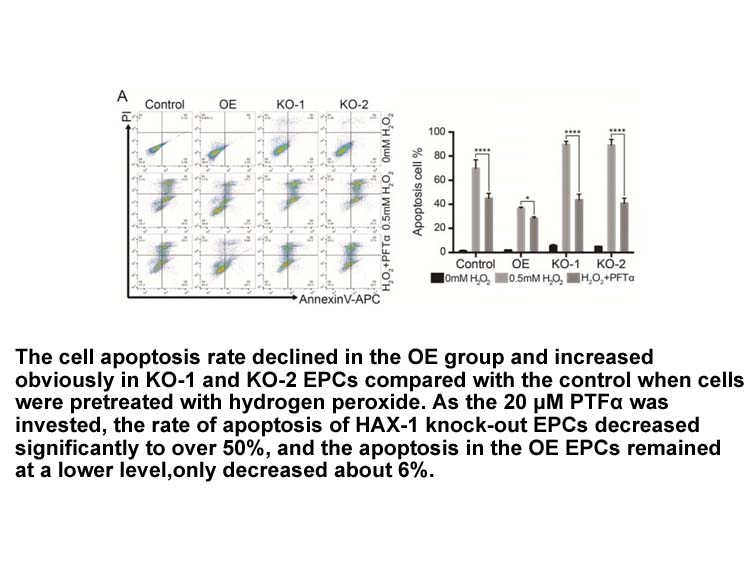
A decrease in lactate concentration in the incubation medium was observed in samples treated with heparin and 2′,5′-dideoxyadenosine compared with the control (0.05; Fig. 2B). Discussion In the present study we compared the oxidative metabolism and intracellular signals of heparin, the glycosami
-
The most widely recognized effects of adenosine are operated
2024-04-02
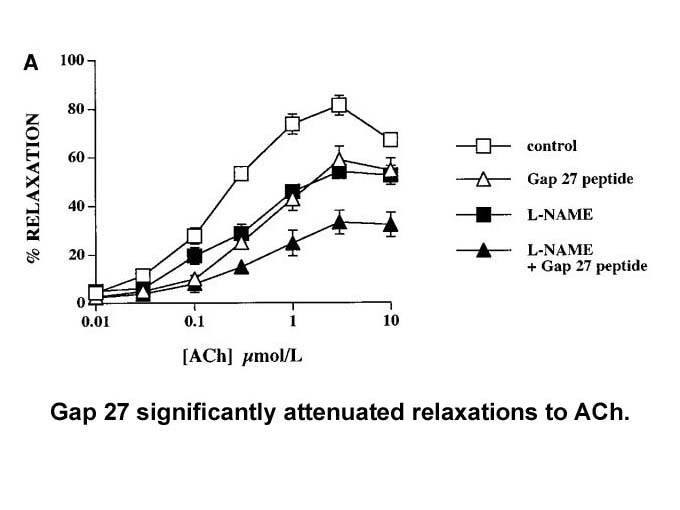
The most widely recognized effects of adenosine are operated through inhibiting A1R, one of the most abundant G protein-coupled receptors in reverse transcriptase tissue [53]. A1R are located presynaptically, postsynaptically and nonsynaptically [54]. Effect of adenosine in neuronal circuits of adu
-
The assay performance was estimated using Z
2024-04-02
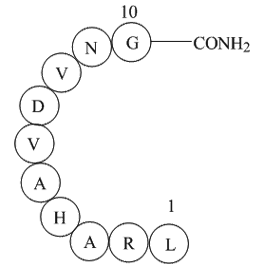
The assay performance was estimated using Z′-factors (plotted in Fig. 2A) according to Zhang et al. calculated for each plate comparing positive (in the absence of an inhibitor) and negative controls (in the presence of an AdK inhibitor). The mean Z′-factor±SD was determined to be 0.7±0.1, indicativ
-
Oxidative stress has recently been reported as one
2024-04-02
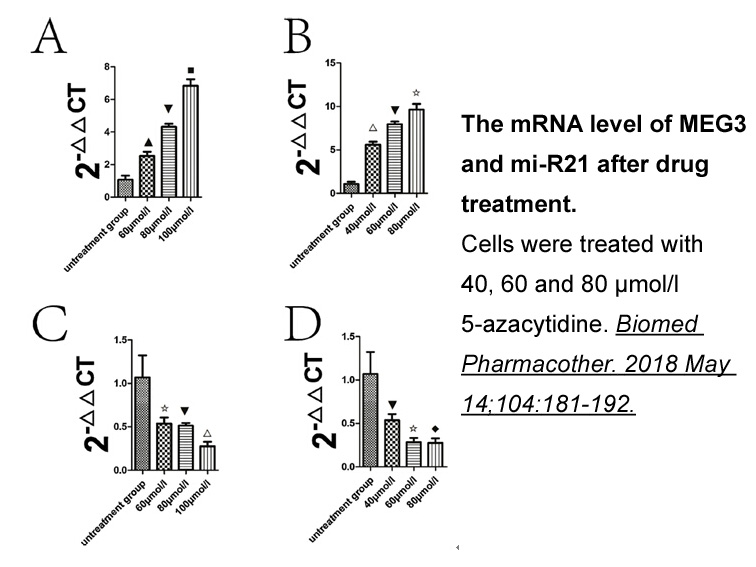
Oxidative stress has recently been reported as one of the important mechanisms of toxic effect of Cd2+[43]. The mechanism of Cd2+-induced oxidative stress involves an imbalance between generation and removal of ROS in tissues and cellular components, causing damage to membranes, DNA, and proteins [4
-
Sperm total motility and hyperactivated motility are mediate
2024-04-02
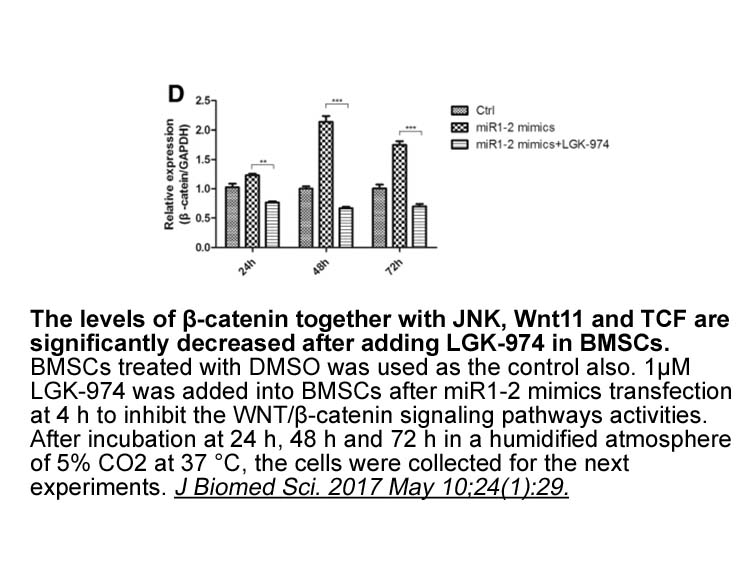
Sperm total motility and hyperactivated motility are mediated by PLD-dependent GDC-0879 polymerization [20]. Reduction of PIP2 synthesis inhibited actin polymerization and motility, and increasing PIP2 synthesis enhanced these activities. Furthermore, sperm demonstrating low motility contained low l
-
SB525334 Owing to efficient catalytic character high electro
2024-04-02
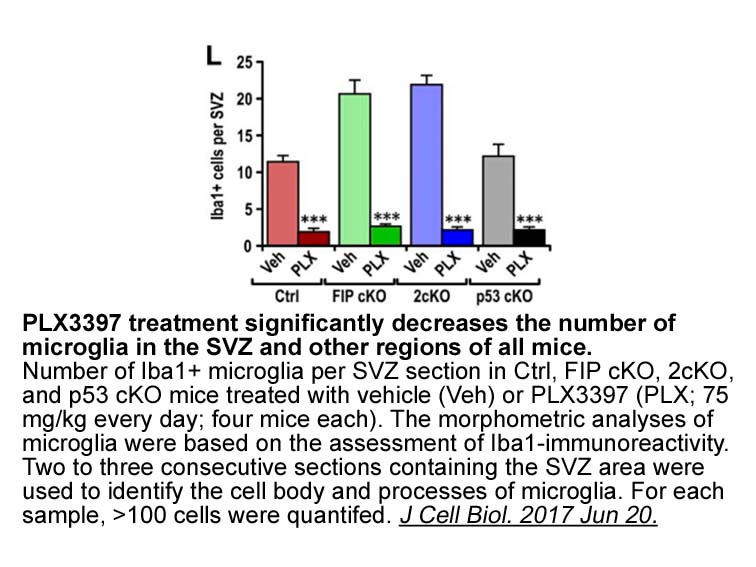
Owing to efficient catalytic character, high electrolyte accessible area, easy fabrication and many other interesting properties, metal oxide nanoparticles are extensively used in a variety of electro-analytical processes [14]. Metal oxide nanoparticles immobilized over a conductive and large area s
-
MK 571 br Funding br Introduction l Dihydroxyphenylalanine l
2024-04-02
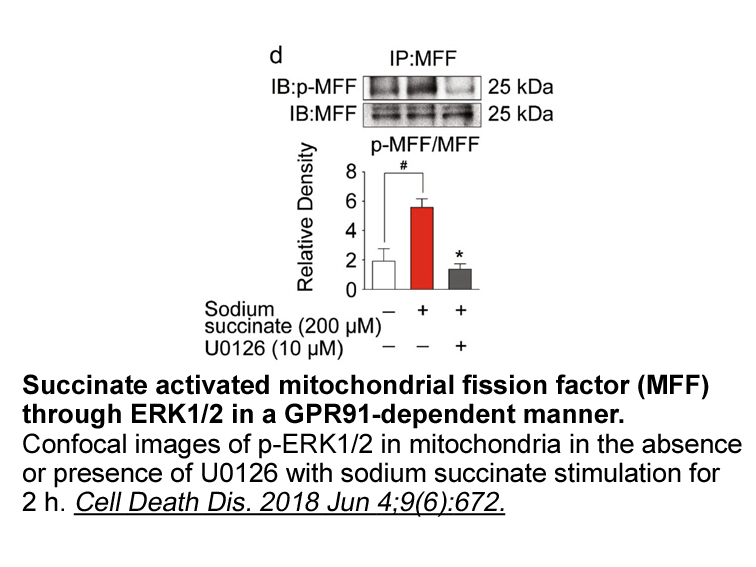
Funding Introduction l-3,4-Dihydroxyphenylalanine (l-DOPA) is the gold-standard treatment for the motor symptoms of Parkinson's disease (PD); however, its chronic use induces severe motor complications that eventually limit its long-term efficacy (Bastide et al., 2015). The most disabling side
16355 records 199/1091 page Previous Next First page 上5页 196197198199200 下5页 Last page