Archives
- 2026-07
- 2026-06
- 2026-05
- 2026-04
- 2026-03
- 2026-02
- 2026-01
- 2025-12
- 2025-11
- 2025-10
- 2025-09
- 2025-03
- 2025-02
- 2025-01
- 2024-12
- 2024-11
- 2024-10
- 2024-09
- 2024-08
- 2024-07
- 2024-06
- 2024-05
- 2024-04
- 2024-03
- 2024-02
- 2024-01
- 2023-12
- 2023-11
- 2023-10
- 2023-09
- 2023-08
- 2023-07
- 2023-06
- 2023-05
- 2023-04
- 2023-03
- 2023-02
- 2023-01
- 2022-12
- 2022-11
- 2022-10
- 2022-09
- 2022-08
- 2022-07
- 2022-06
- 2022-05
- 2022-04
- 2022-03
- 2022-02
- 2022-01
- 2021-12
- 2021-11
- 2021-10
- 2021-09
- 2021-08
- 2021-07
- 2021-06
- 2021-05
- 2021-04
- 2021-03
- 2021-02
- 2021-01
- 2020-12
- 2020-11
- 2020-10
- 2020-09
- 2020-08
- 2020-07
- 2020-06
- 2020-05
- 2020-04
- 2020-03
- 2020-02
- 2020-01
- 2019-12
- 2019-11
- 2019-10
- 2019-09
- 2019-08
- 2019-07
- 2019-06
- 2019-05
- 2019-04
- 2018-11
- 2018-10
- 2018-07
-
Ten non FH ADH probands fulfilled the
2020-06-20
Ten non-FH ADH probands fulfilled the diagnostic criteria of hyperabsorbers. Table 2 shows the main lipid characteristics of these subjects and of 10 non-hyperabsorber probands used for comparison. There were differences between groups in body mass index, waist circumference and triglycerides. Othe
-
Mouse Cyp a is a homologous isoform of
2020-06-20
Mouse Cyp3a11 is a homologous isoform of the human CYP3A4 gene, and both are highly expressed in the liver (Hart, Cui, Klaassen, & Zhong, 2009). CYP3A4 is the most abundant CYP450 in hepatic microsomes responsible for drug and xenobiotic metabolism (Zanger & Schwab, 2013), and it is the most active
-
There are numerous theories of schizophrenia etiopathology a
2020-06-20
There are numerous theories of schizophrenia etiopathology and genetics is often taken into consideration [25]. The dopamine D2 receptor is important since it is blocked by typical antipsychotic drugs with high affinity which is correlated with the ability to control psychotic symptoms in schizophre
-
Several in vivo human studies have produced conflicting resu
2020-06-20
Several in vivo human studies have produced conflicting results for evaluating the inhibition of OCs on the metabolism of CYP3A substrates. Balogh et al. [12] demonstrated an approximately 25% inhibition of CYP3A activities in vivo after the administration of an OC containing 30μg of ethinylestradio
-
Expression of DDR in endothelial cells
2020-06-19
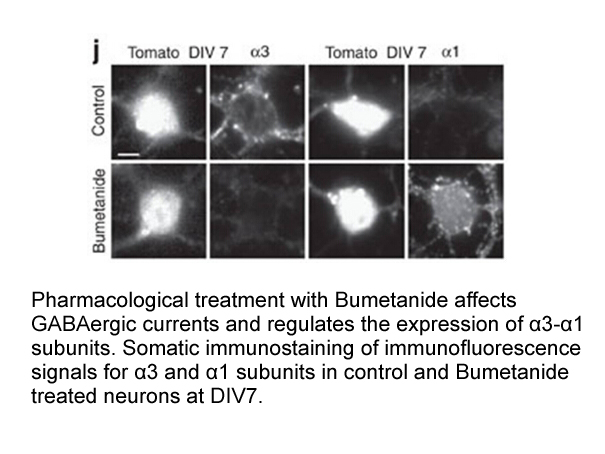
Expression of DDR1 in endothelial cells has been previously described in human corneal blood vessels, and more recently, in murine atherosclerotic plaques (Franco et al., 2008, Mohan et al., 2001). So far, there is a lack of evidence for DDR1 expression in endothelial cells in the mouse factor xa (
-
Finally we have determined for the first
2020-06-19
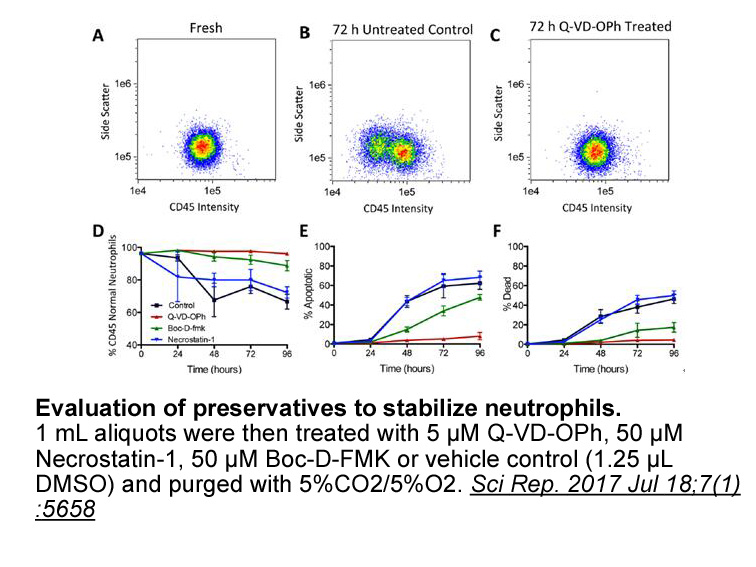
Finally, we have determined for the first time that aromatase enzyme activity is necessary to observe IGF-1-dependent GSK2292767 receptor activation. Neuroestrogen synthesis has been shown to be important for the maintenance of synaptic spine density in hippocampal slice cultures (Kretz et al., 200
-
br Acknowledgments We are thankful to the University
2020-06-19
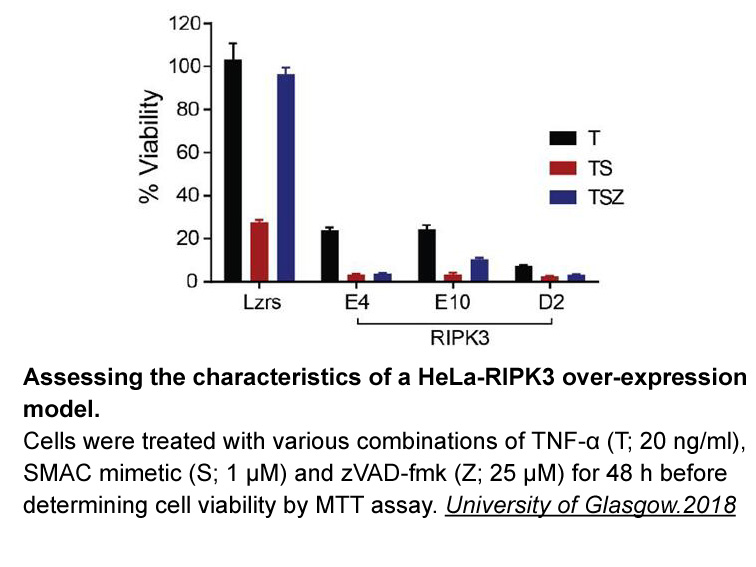
Acknowledgments We are thankful to the University of Guilan Research Council for partial support of this work. Introduction It is significant to predict the mass, number and velocity distribution of BAD generated by RHA subjected to penetration of EFP by the thickness of target and the impact
-
Increased leukocyte trafficking and infiltration of the vasc
2020-06-19
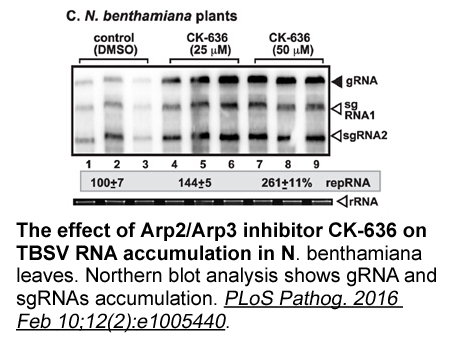
Increased leukocyte trafficking and infiltration of the vascular wall are thought to provide a key stimulus for SMC activation and subsequent neointima formation in response to vascular injury [19], [20]. The essential trigger regulating the accumulation of leukocytes in the vessel wall is the upreg
-
interleukin To our knowledge this is
2020-06-19
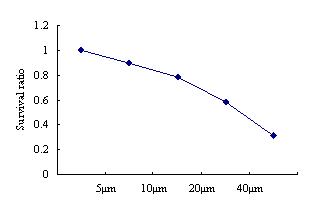
To our knowledge, this is the first report of an oncocytoma expressing alpha-enolase or causing autoimmune retinopathy and optic neuropathy. Although generally considered benign, oncocytomas have rarely been associated with paraneoplastic syndromes, including tumor-induced hypertension, erythrocytos
-
Some antioxidants including N acetylcysteine
2020-06-19
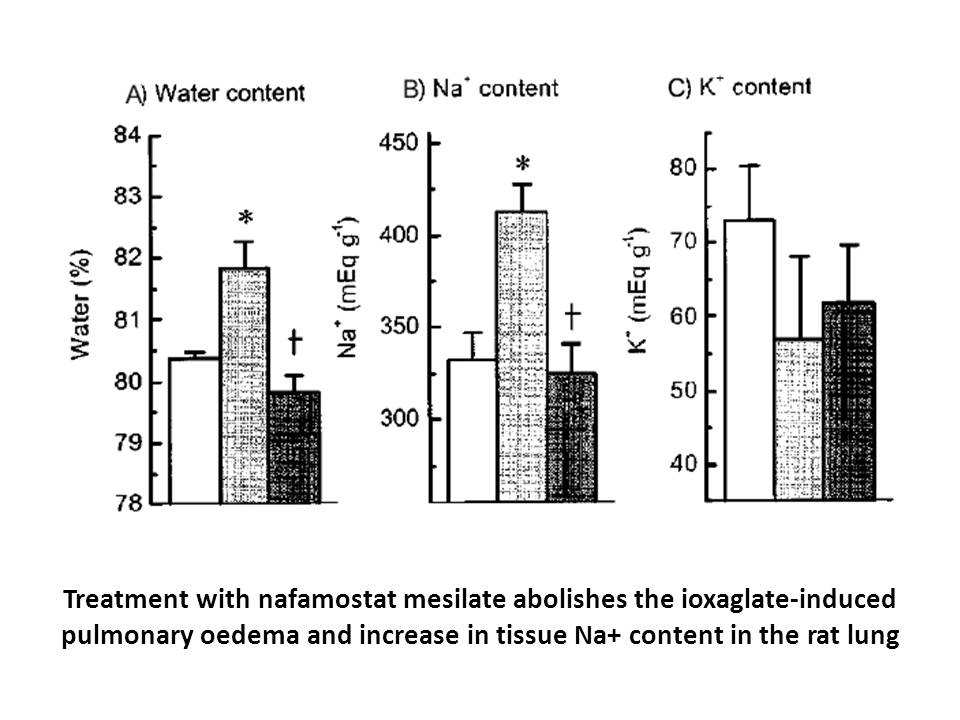
Some antioxidants, including N-acetylcysteine and SOD, have been shown to decrease collagen deposition and protect the lungs in various animal models and even in clinical trials (Chan et al., 2013, Loomis-King et al., 2013, Rafii et al., 2013, Teixeira et al., 2008, Wang et al., 2013). Bleomycin-ind
-
Why are Tfh cell dynamics so fundamentally
2020-06-19

Why are Tfh cell dynamics so fundamentally different in naive and immune animals? Initially, GC Chromocarb must pass stringent affinity and specificity checkpoints to ensure only high-affinity non-self-reactive cells are selected. Therefore, restricting primary Tfh cells with the greatest helper cap
-
br Materials and Methods br Acknowledgements Authors would l
2020-06-19
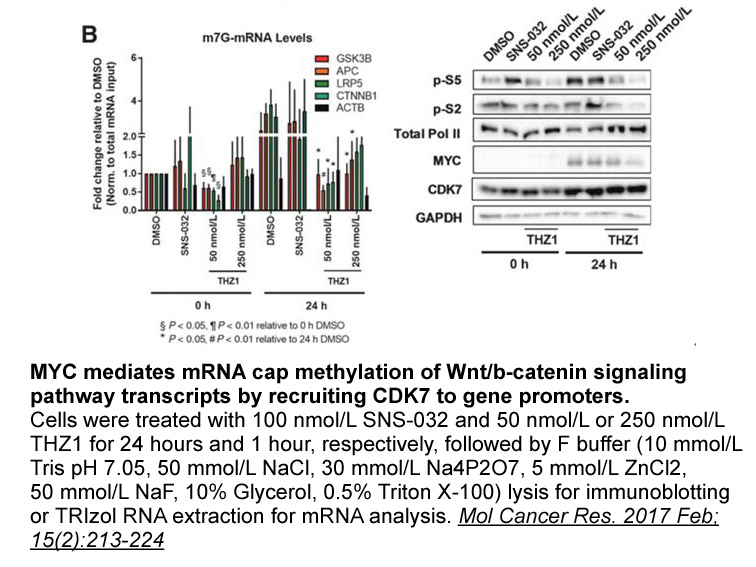
Materials and Methods Acknowledgements Authors would like to thank Mr. Pritam Naskar and Mr. Dibya Mukherjee for their help. Authors also acknowledge the help of Mr. Barun Mahata and Dr. Kaushik Biswas, Division of Molecular Medicine, Bose Institute, for human cDNA samples. P.A.B. and A.B.D. w
-
PF-06463922 br Ubiquitination and deubiquitination pathways
2020-06-19
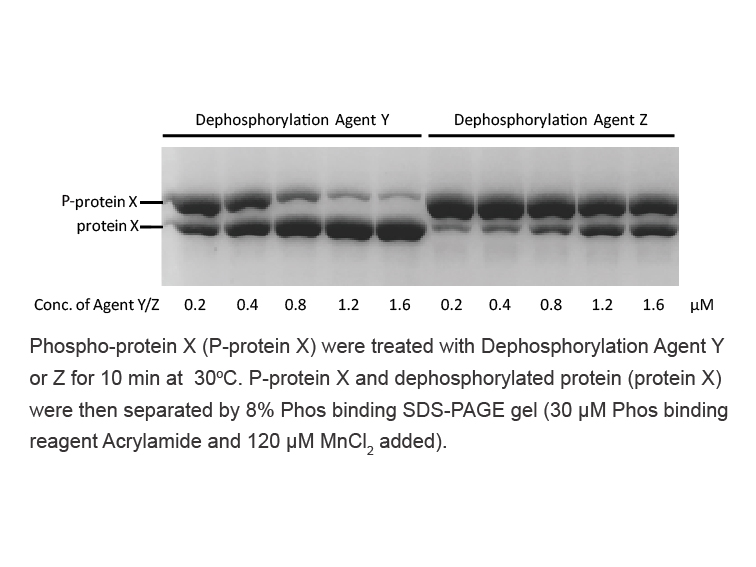
Ubiquitination and deubiquitination pathways Ubiquitination is a part of the post-translational modification (PTM) process. Ubiquitination affects proteins in various ways, but its main functions are to signal protein degradation via the 26S proteasome, modify cellular location of proteins, affec
-
QX 314 chloride The first hint that GLP might not be complet
2020-06-19
The first hint that GLP-1 might not be completely stable came from a meeting abstract in 1992, reporting that GLP-1 could be degraded in plasma incubations [16], although the enzyme(s) involved was not identified. A year later, Mentlein and colleagues [17], in a search for peptide substrates of the
-
Cyprodime hydrochloride One of the hallmarks of the terminal
2020-06-19
One of the hallmarks of the terminal stages of apoptosis is the fragmentation of chromosomal DNA that proceeds in a two-step manner: the DNA is initially cleaved into 50–300kb fragments and eventually into oligonucleosomal pieces [12], [13]. The two major apoptotic nucleases are DNA fragmentation fa
16340 records 842/1090 page Previous Next First page 上5页 841842843844845 下5页 Last page