Archives
- 2026-07
- 2026-06
- 2026-05
- 2026-04
- 2026-03
- 2026-02
- 2026-01
- 2025-12
- 2025-11
- 2025-10
- 2025-09
- 2025-03
- 2025-02
- 2025-01
- 2024-12
- 2024-11
- 2024-10
- 2024-09
- 2024-08
- 2024-07
- 2024-06
- 2024-05
- 2024-04
- 2024-03
- 2024-02
- 2024-01
- 2023-12
- 2023-11
- 2023-10
- 2023-09
- 2023-08
- 2023-07
- 2023-06
- 2023-05
- 2023-04
- 2023-03
- 2023-02
- 2023-01
- 2022-12
- 2022-11
- 2022-10
- 2022-09
- 2022-08
- 2022-07
- 2022-06
- 2022-05
- 2022-04
- 2022-03
- 2022-02
- 2022-01
- 2021-12
- 2021-11
- 2021-10
- 2021-09
- 2021-08
- 2021-07
- 2021-06
- 2021-05
- 2021-04
- 2021-03
- 2021-02
- 2021-01
- 2020-12
- 2020-11
- 2020-10
- 2020-09
- 2020-08
- 2020-07
- 2020-06
- 2020-05
- 2020-04
- 2020-03
- 2020-02
- 2020-01
- 2019-12
- 2019-11
- 2019-10
- 2019-09
- 2019-08
- 2019-07
- 2019-06
- 2019-05
- 2019-04
- 2018-11
- 2018-10
- 2018-07
-
Two major categories of arginase inhibitors have
2024-10-12
Two major categories of arginase inhibitors have been distinguished (Fig. 3): the first category comprises synthetic arginase inhibitors, which have been developed from the substrate l-arginine [35]; and the second category includes inhibitors derived from natural products [36]. The category of synt
-
JWH 133 Sustained release property is also associated with s
2024-10-12
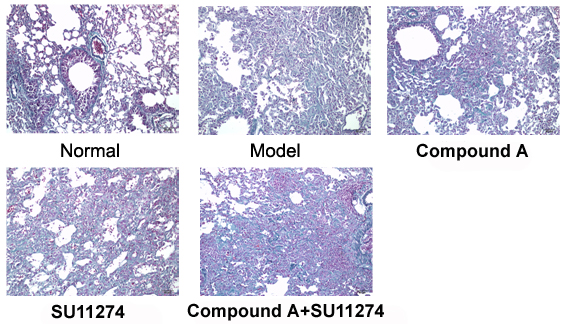
Sustained release property is also associated with side effects reduction [16] that could be confirmed by histopathological analyzes. Massive infiltrating inflammatory cells, hyperproliferation of skin layers and keratin pearls, caused by DMBA and croton oil application [32] are attenuated in Imq-lo
-
There are no studies documented the role of RAS
2024-10-12
There are no studies documented the role of RAS in the differentiation of MSCs into IPCs but there are previous studies indicating that Ang II receptors exhibit opposing actions on MSCs differentiation, into other cell types rather than IPCs. The blockade of AT2R was reported to suppress MSCs differ
-
Cy7.5 maleimide(non-sulfonated) Cancer stem cells CSCs may h
2024-10-11

Cancer stem cells (CSCs) may have been first identified in teratocarcinomas [11], [12], with its initial clues date back to the 19th century [13]. Kleinsmith and Pierce [12] established the immortal pluripotent teratocarcinoma lines from a single transplanted multi-potent malignant cell, strongly su
-
In model plant Arabidopsis there
2024-10-11
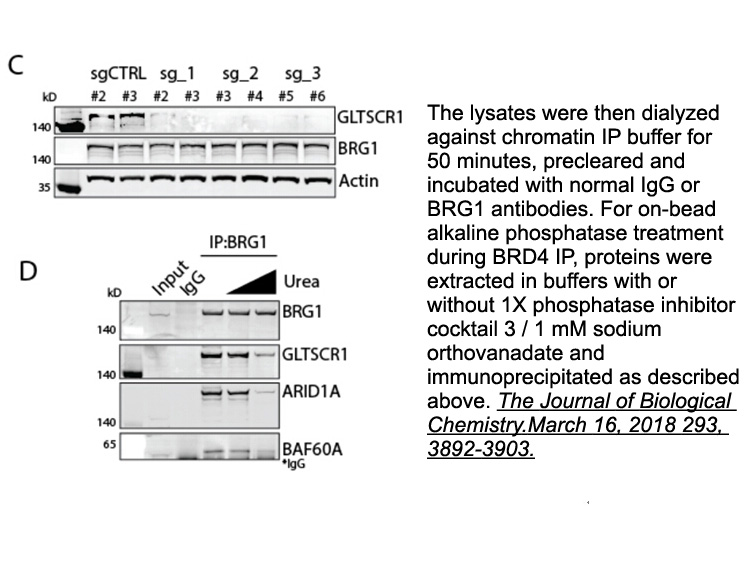
In model plant Arabidopsis, there are 13 myosin XI isoforms (XI-1, XI-2, XI-A, XI-B, XI-C, XI-D, XI-E, XI-F, XI-G, XI-H, XI-I, XI-J, and XI-K) and 4 myosin VIII isoforms (ATM1, ATM2, VIII-A, VIII-B) [9,13]. Arabidopsis myosin XIs have the common domain composition: a motor domain that interacts with
-
Language emerged among the Ach through the
2024-10-11

“Language” emerged among the Aché through the influence of colonizers, missionaries, Bible translators, activists, anthropologists, the media, and the State. As an object, it now circulates in books, cellphones, political debates, at cultural events, on the radio, and even the Internet. It emerged a
-
Digoxin br COX and LOX in post mortem
2024-10-11

COX and 5-LOX in post-mortem AD brain Minghetti (2004) reviewed the findings on COX-2 mRNA levels in AD brains, pointing out that the available evidence demonstrated either decreased or increased levels, possibly because of the short half-life of COX-2 transcripts or individual variability. Histo
-
dead cell removal kit buy rs G allele was previously associa
2024-10-11
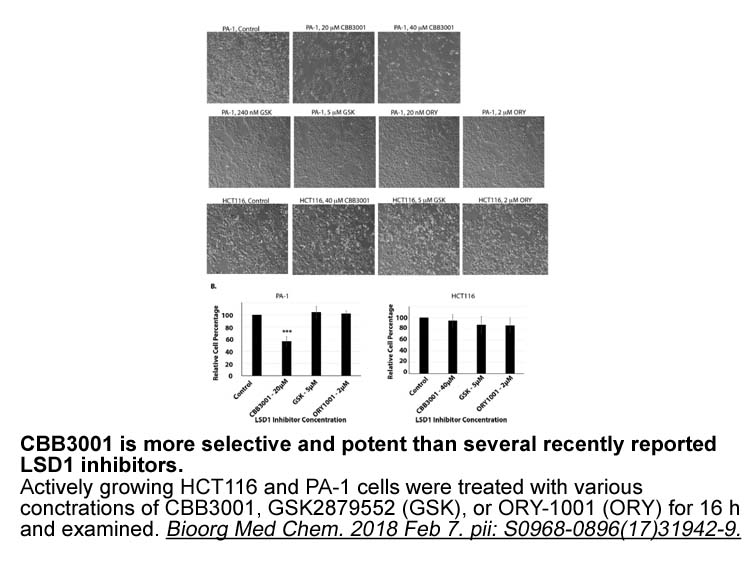
rs523349 G allele was previously associated with a decrease in the conversion rate of testosterone to DHT (Beesley et al., 2007). This SRDA52 variant may have a trend towards higher testosterone availability, which according to the US Food and Drug Administration is described as a teratogen of categ
-
Crohn s disease an inflammatory bowel disease that affects t
2024-10-11
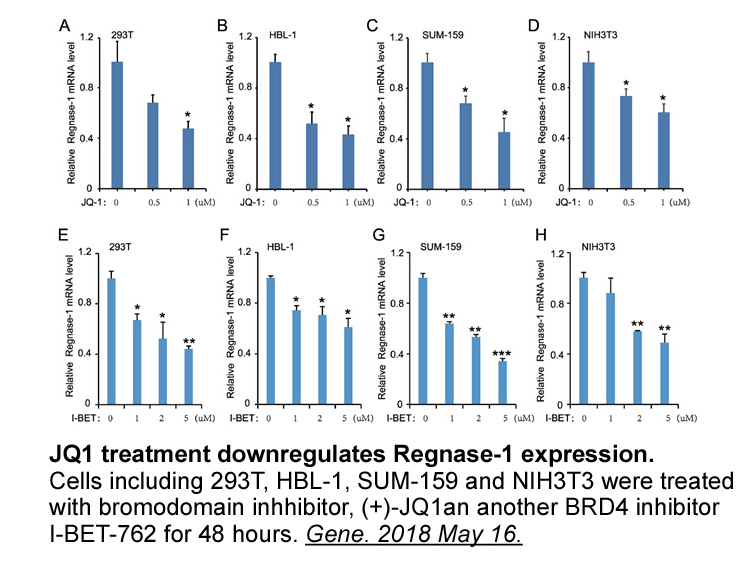
Crohn’s disease, an inflammatory bowel disease that affects the gastrointestinal (GI) tract, is characterized by a polymorphism in ULK1 autophagy gene due to the presence of single nucleotide polymorphisms (SNPs). Thus, the autophagic process is impaired during the disease. The mutations in the leuc
-
br Acknowledgment br Introduction The yeast Cdc
2024-10-11
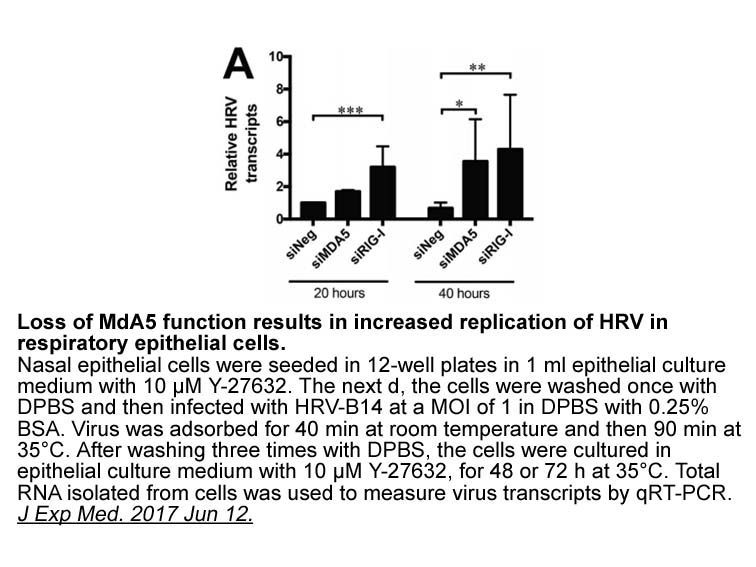
Acknowledgment Introduction The yeast Cdc48 ATPase and its metazoan ortholog p97 (or VCP) are critical components of many ubiquitin-dependent cellular pathways that require the segregation of individual proteins from binding partners or membranes (for review, see Buchberger, 2013, Meyer and We
-
Illustrated in is the protocol we applied for
2024-10-11
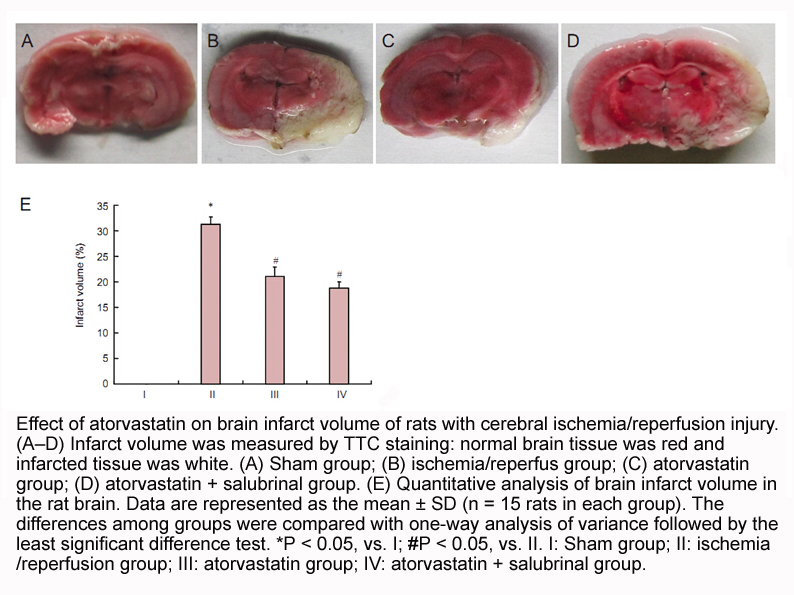
Illustrated in is the protocol we applied for the screens of novel furoic acids as ACL inhibitors. We constructed our furan carboxylate library that contained 1446 2-furoic cantharidin derivatives and 501 3-furoic acid derivatives by performing substructural searches of the ZINC database. We limi
-
Compound was synthesized by reacting amino methoxybenzoate w
2024-10-10
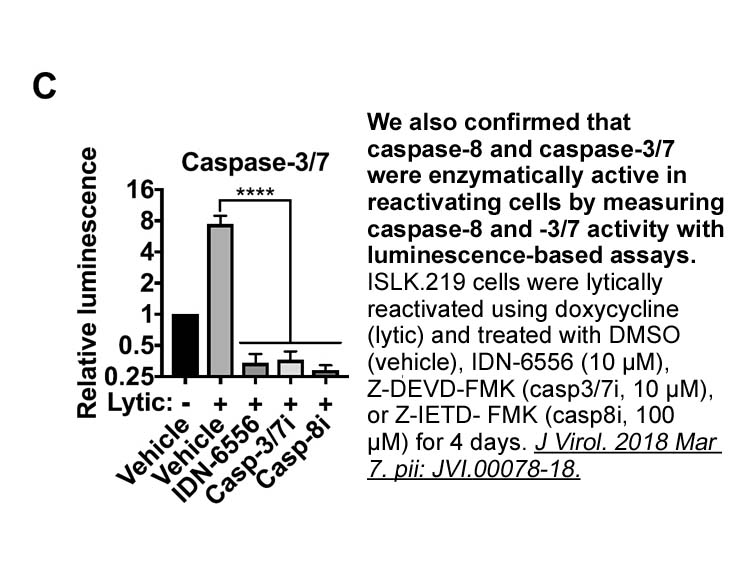
Compound 31 was synthesized by reacting 5-amino-2-methoxybenzoate (28) with ethanesulfonyl chloride in the presence of pyridine in DCM to give sulfonamide 29. Hydrolysis of 29 by aqueous sodium hydroxide afforded the MRS1523 30 which was converted to the acid chloride by heating in thionyl chloride
-
Additionally we used the predicted Cyp
2024-10-10
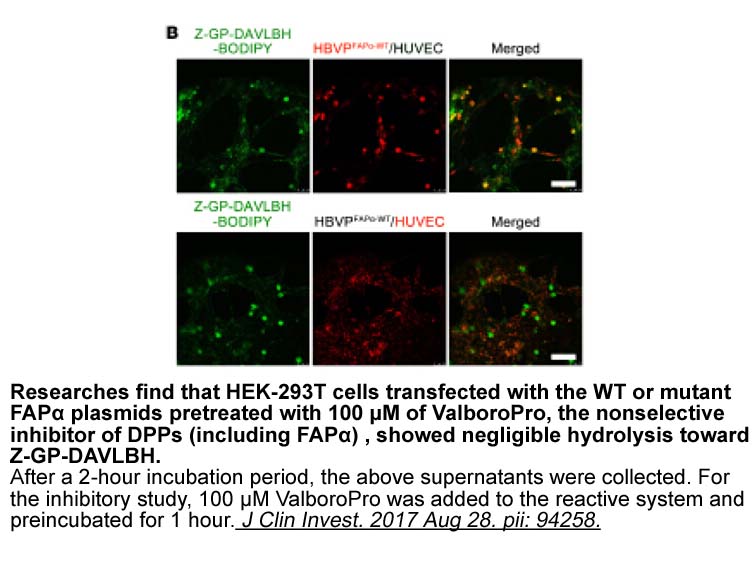
Additionally, we used the predicted Cyp19a1b amino XAP044 australia sequence from a number of bony fish species to infer their genetic relatedness and found that R. quelen occupies an ancient position within the Siluriformes group. A phylogenetic tree was constructed and it included both full-length
-
RS-1 br Conflicts of interest br
2024-10-10

Conflicts of interest Introduction Arginase catalyzes the reaction in which l-arginine is converted to l-ornithine and urea. In humans, two arginase isoenzymes have been identified, arginase 1 and arginase 2, that differ in cellular location and tissue distribution [1]. Both arginase enzymes a
-
br Materials and methods br Results
2024-10-10
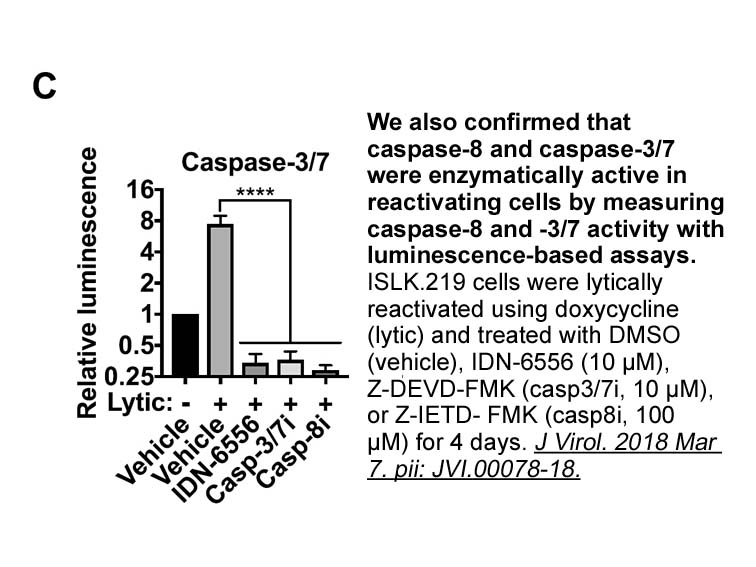
Materials and methods Results Discussion In this study, we administrated BDE-153 to newborn rat pups at PND 10 and cultured primary neurons, measured neuronal apoptosis and LDH activity in vivo and in vitro, then explored the possible predominant pathway underlying the neuronal apoptosis by
16357 records 99/1091 page Previous Next First page 上5页 96979899100 下5页 Last page